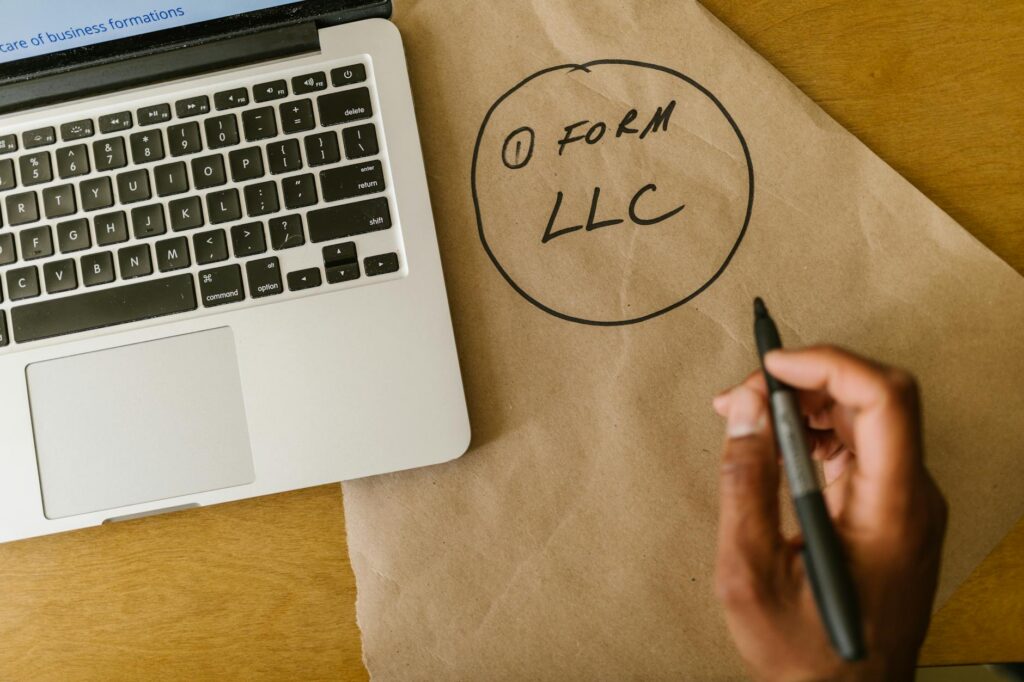
How to Start an LLC: A Complete 50-State Guide for 2024
Starting a Limited Liability Company (LLC) is one of the most popular business structures for entrepreneurs, small business owners, and freelancers. An LLC offers personal asset protection, tax flexibility, and simpler administration than a corporation—making it an attractive option for millions of business owners across the United States. However, the process of forming an LLC varies significantly by state, with filing fees ranging from as low as $40 in Wyoming to over $500 in some states. This guide walks you through every step of starting an LLC, regardless of which state you choose.
Understanding What an LLC Is and Why It Matters
A Limited Liability Company is a business structure that combines the personal liability protection of a corporation with the tax flexibility and ease of operation of a sole proprietorship or partnership. When you form an LLC, your personal assets—your home, car, savings account—are generally protected if your business faces a lawsuit or debt. This “limited liability” is the primary reason entrepreneurs choose this structure over operating as sole proprietors.
Beyond liability protection, LLCs offer tax advantages. By default, a single-member LLC is taxed as a sole proprietorship, while multi-member LLCs are taxed as partnerships. However, you can elect to have your LLC taxed as an S-Corporation or C-Corporation, depending on your situation and goals. This flexibility makes LLCs suitable for startups, consulting businesses, real estate ventures, e-commerce stores, and professional services.
Step 1: Choose Your State and Verify Business Name Availability
The first actionable step is selecting where to form your LLC. While many business owners form their LLC in their home state, some choose Delaware or Nevada for privacy and tax benefits, though this requires additional compliance costs. Most entrepreneurs should form in their home state unless they have a specific reason otherwise.
Next, verify that your desired business name is available. You’ll need to check your state’s Secretary of State database to ensure no one else is using your name. Most states allow you to reserve your business name for 30 to 120 days for a small fee, typically between $15 and $100. Your business name must include “LLC” or “Limited Liability Company” and cannot use restricted words like “bank” or “insurance” without proper licensing.
Step 2: File Your Articles of Organization
The Articles of Organization is the foundational legal document that officially creates your LLC. This form includes basic information: your business name, state of formation, registered agent (the person authorized to receive legal documents), address, and the names and addresses of all members (owners).
Filing fees vary dramatically across states. Wyoming charges $40, while Arkansas charges $50 and Nevada charges $100. States like California, New York, and Florida charge between $100 and $500. You can file online in nearly all states, which typically takes 5 to 10 business days, though expedited filing is available in most states for an additional $50 to $200 fee. Some states process filings within 24 hours with expedited service.
You’ll file your Articles of Organization with your state’s Secretary of State office. Most states now accept online filing through their official websites, making the process straightforward and reducing errors.
Step 3: Obtain an Employer Identification Number (EIN)
An EIN, also called a Federal Tax ID Number, is a nine-digit identifier issued by the Internal Revenue Service. Even if you’re a solo LLC with no employees, obtaining an EIN is highly recommended. It keeps your personal Social Security Number separate from your business finances, simplifies tax filing, and is required if you hire employees or open a business bank account.
The good news: obtaining an EIN is free and takes about 15 minutes. You can apply online at the IRS website (irs.gov), by phone, fax, or mail. Online applications provide instant approval. Your EIN is ready to use immediately for tax purposes and opening business accounts.
Step 4: Create an Operating Agreement and Open a Business Bank Account
While many states don’t legally require an Operating Agreement, creating one is essential for multi-member LLCs and highly advisable even for solo operators. This internal document outlines how your LLC will be managed, profit distribution, voting rights, and what happens if a member leaves. A well-drafted Operating Agreement protects you in disputes and clarifies decision-making authority.
You can find Operating Agreement templates online for $25 to $100, or hire an attorney for $300 to $1,000 for a customized agreement. Many entrepreneurs use affordable online legal services like LegalZoom or Nolo to create their agreements affordably.
Equally important is opening a dedicated business bank account using your EIN. This separates personal and business finances, simplifies accounting, and is crucial for tax compliance and liability protection. Banks typically charge $0 to $20 monthly for LLC business checking accounts, often with no minimum balance requirement.
Step 5: Obtain Licenses and Permits
Depending on your industry and location, you may need federal, state, or local licenses and permits. A home-based consulting business may need nothing beyond basic registration, while a restaurant, salon, or contractor requires multiple permits and licenses. Research your specific industry and local requirements on your city or county government websites.
Common licenses include business licenses, professional licenses (for lawyers, accountants, contractors), health permits, liquor licenses, and zoning permits. Costs range from $50 for a basic business license to several thousand dollars for specialized licenses. Budget 2 to 8 weeks for permit approval in most jurisdictions.
Frequently Asked Questions
How much does it cost to start an LLC?
Total costs typically range from $100 to $800, including state filing fees ($40 to $500), business name reservation ($15 to $100), Operating Agreement template ($25 to $100), business licenses and permits ($50 to $500), and a business bank account (free to $20 monthly). Hiring a lawyer or formation service can add $500 to $1,500, but many entrepreneurs handle the process themselves and save significantly.
How long does it take to form an LLC?
Standard processing takes 5 to 10 business days in most states after you submit your Articles of Organization. However, expedited filing options available in nearly every state can reduce this to same-day or next-day processing for an additional $50 to $200 fee. Once your LLC is approved, you can begin business operations immediately.
Do I need a lawyer to form an LLC?
You do not legally need a lawyer to form an LLC—the process is straightforward enough for most business owners to handle independently. However, a lawyer can be valuable if your situation is complex, you have multiple members, or you want a customized Operating Agreement. Many entrepreneurs use affordable online services as a middle ground.
What is a registered agent and do I need one?
A registered agent is an authorized person or service that receives legal documents, tax notices, and official correspondence on behalf of your LLC. Every LLC must have a registered agent with a physical address in the state where you formed. You can serve as your own registered agent or hire a registered agent service for $50 to $300 annually.
Can I form an LLC in a different state than where I operate?
Yes, you can form an LLC in any state, but you’ll typically need to register it as a “foreign LLC” in states where you actively conduct business. This means additional filing fees, usually $50 to $300 per state. Most small business owners form in their home state to avoid these extra costs unless they have specific tax or privacy reasons otherwise.
Conclusion
Starting an LLC involves five core steps: choosing your state and verifying name availability, filing Articles of Organization, obtaining an EIN, creating an Operating Agreement and opening a business bank account, and obtaining necessary licenses and permits. The entire process typically takes 2 to 4 weeks and costs between $100 and $800 for most entrepreneurs forming a single-state LLC.
The specific costs and timeline depend on your state, industry, and whether you hire professional help. By understanding each step and planning ahead, you can streamline the process and launch your business confidently.
Use Our Free LLC Cost Calculator
Want to know exactly how much it will cost to start your LLC in your specific state? Head to our free LLC cost calculator at llccostcalc.com and enter your state, business type, and needs. Our calculator instantly shows you state filing fees, estimated permit costs, and a complete breakdown of your startup expenses—giving you accurate numbers before you spend a dime. Stop guessing and get real dollar amounts for your LLC formation today.
- LegalZoom LLC Formation Services — Directly complements LLC formation guide by offering professional formation services, registered agent support, and state-specific filing assistance
- Rocket Lawyer Business Formation — Provides affordable DIY and attorney-assisted LLC formation options across all 50 states, matching the guide's comprehensive scope
- Business Formation Software - Stripe Atlas or MyCorporation — Offers cost-effective LLC formation tools with state compliance documents, perfect for entrepreneurs looking to file independently after reading the guide
SPONSORED
Need Capital to Grow Your New Business?
Cardiff offers small business loans up to $500,000 with same-day funding. Rates from 5.99% — no perfect credit required.
Check My Options →Affiliate partner — we may earn a commission at no cost to you.
SPONSORED
Now That Your LLC Is Formed, Build Your Website
Shopify makes it easy to launch your business website or online store. Trusted by millions of entrepreneurs — start your free trial today.
Start Free Trial →Affiliate partner — we may earn a commission at no cost to you.