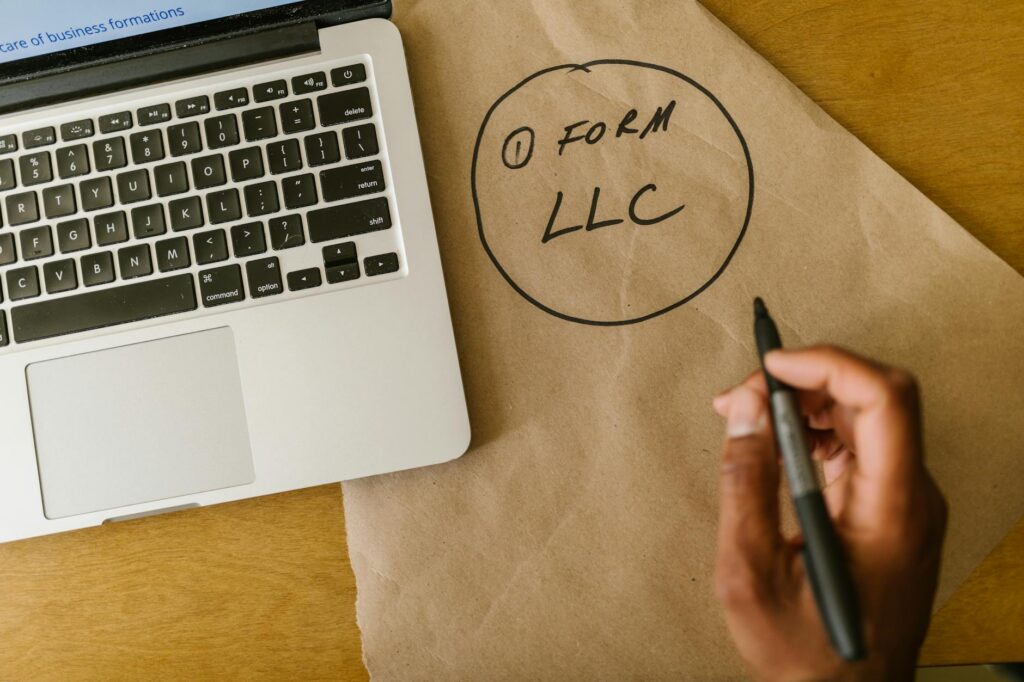
LLC vs Corporation: Which Is Right for Your Startup
The choice between forming an LLC or a corporation is one of the most critical decisions you’ll make as a startup founder. An LLC offers simplicity and flexibility with pass-through taxation, while a corporation provides more formal structure and potential tax advantages. The right choice depends on your business goals, growth plans, funding needs, and personal liability concerns.
Understanding LLC Structures for Startups
A Limited Liability Company (LLC) is a business structure that combines the liability protection of a corporation with the tax simplicity of a sole proprietorship or partnership. According to the U.S. Small Business Administration, approximately 2.7 million LLC filings were registered in the United States as of 2022, making it the most popular business structure for new startups.
LLCs offer several advantages for emerging businesses. First, they provide personal liability protection, meaning your personal assets remain separate from business debts and lawsuits. Second, LLCs feature pass-through taxation, where business income flows directly to your personal tax return, avoiding double taxation. Third, they require minimal administrative overhead—fewer meetings, fewer formal records, and simpler compliance requirements compared to corporations.
However, LLCs aren’t perfect for every situation. Self-employment taxes apply to all LLC income, which can be higher than corporate taxes for profitable businesses. Additionally, some investors and venture capital firms prefer the formal structure of corporations, which can make fundraising more challenging. LLCs also have less established legal precedent, though this is becoming less of an issue as the structure gains popularity.
Why Corporations Matter for Growing Startups
A corporation is a separate legal entity owned by shareholders, managed by a board of directors, and operated by officers and employees. There are two main types: C Corporations and S Corporations, each with distinct tax implications.
C Corporations are the traditional structure and are taxed as separate entities from their owners. While this creates double taxation (the corporation pays taxes, then shareholders pay taxes on dividends), it can actually benefit growing startups planning significant reinvestment. Corporations also attract venture capital investment more easily—investors understand the structure, shareholder agreements are standardized, and founders can issue multiple classes of stock as incentives.
S Corporations offer a hybrid approach, electing pass-through taxation while maintaining corporate structure. This can reduce self-employment taxes since you only pay them on reasonable W-2 wages, not all profits. However, S Corporations require more paperwork and compliance, including payroll processing and quarterly filings.
The corporate structure demands more administrative work. You’ll need a board of directors, shareholder meetings, formal bylaws, corporate minutes, and ongoing compliance documentation. These requirements provide legal protection and credibility but require more time and often legal expertise to manage properly.
Key Differences in Liability, Taxes, and Growth Potential
Both LLCs and corporations provide personal liability protection, but they differ significantly in how they handle taxation and support growth. Understanding these differences is essential for startups planning their future.
From a taxation perspective, an LLC with one owner is treated as a sole proprietorship for federal tax purposes unless you elect to be taxed as a corporation. This simplicity appeals to new startups, but the self-employment tax burden grows as your business becomes more profitable. A startup earning $150,000 in net income would pay approximately 15.3% in self-employment taxes on that amount as an LLC, whereas a C Corporation could potentially retain earnings at lower corporate tax rates.
Regarding growth potential and funding, corporations hold a significant advantage. Venture capitalists, angel investors, and institutional funding sources typically require corporations because of standardized equity structures, preferred stock classes, and clear exit strategies. If you’re planning to raise serious capital or eventually seek acquisition, a corporation provides the framework investors expect. According to research from the National Venture Capital Association, venture-backed companies are overwhelmingly structured as C Corporations.
For bootstrapped startups without immediate fundraising plans, an LLC offers flexibility without the administrative burden. You can start lean, scale gradually, and potentially convert to a corporation later if needed. The costs of forming an LLC typically range from $100 to $800 depending on your state, while corporations generally cost between $200 and $2,500 initially—and then require ongoing compliance expenses.
How to Use the LLC Formation Calculator
Choosing between an LLC and corporation involves understanding the total cost of formation and ongoing compliance. Our LLC cost calculator helps you estimate the actual expenses you’ll face based on your state, filing method, and additional services needed. By inputting your specific situation, you can compare the real-world financial implications of each structure and make an informed decision aligned with your startup’s budget and timeline.
Frequently Asked Questions
Can I change from an LLC to a corporation later?
Yes, you can convert from an LLC to a corporation, though the process involves some complexity. Most states allow you to file a conversion document that changes your business structure without technically dissolving your original entity. However, you may face tax implications, franchise fees, and the need to update contracts, licenses, and bank accounts. If you think there’s even a moderate chance you’ll need to raise venture capital or bring on institutional investors, starting as a corporation might save time and money later.
Which structure is better for liability protection?
Both LLCs and corporations provide strong personal liability protection by separating your personal assets from business liabilities. The protection is roughly equivalent, though corporations have longer legal history and more established case law supporting the liability shield. The key to maintaining liability protection with either structure is keeping proper records, maintaining separate finances, and following formalities. An LLC with a single owner provides the same liability protection as a multi-member LLC.
How much does it cost to form an LLC versus a corporation?
Formation costs vary by state, but LLCs typically cost less upfront. LLC formation fees range from $50 to $500 in most states, while corporations usually cost between $100 and $800. However, corporations often have higher annual compliance costs. Over five years, a corporation might cost $500-$2,000 more in recurring fees and compliance expenses. The real cost difference emerges when you factor in legal fees for proper setup, which are often higher for corporations requiring more complex agreements.
- LegalZoom LLC Formation Service — Direct affiliate match – readers deciding between LLC and corporation formation will need professional legal services to establish their business entity
- QuickBooks Online Accounting Software — Essential for startup founders who need to manage taxes and accounting differently depending on whether they choose LLC or corporation structure
- Stripe Atlas Business Registration — Comprehensive startup formation service that helps founders incorporate and register their business, complementing the decision-making process outlined in the post
Related: LLC vs Corporation: Which Structure Fits Your Startup?
Related: LLC vs Corporation Cost: Which Structure Saves You More?
Also Consider
BusinessAnywhere — LLC Formation + Ongoing Compliance
Automates LLC renewals, compliance filings & registered agent service. $0 LLC formation (+ state fees). Virtual mailbox included.
Average order: $418 — full-service LLC management in all 50 states.
Start Your LLC →Affiliate partner — we may earn a commission at no cost to you.